
Hyperbaric oxygen therapy, often shortened to HBOT, involves breathing oxygen in a chamber at higher-than-normal pressure. When comparing options, ask how the chamber delivers oxygen and what treatment schedule is proposed.
If you are exploring treatment, ask a qualified clinician what the evidence means for your situation. If you are considering a chamber, check the space and oxygen supply it needs. You will also need trained operators and ongoing support.
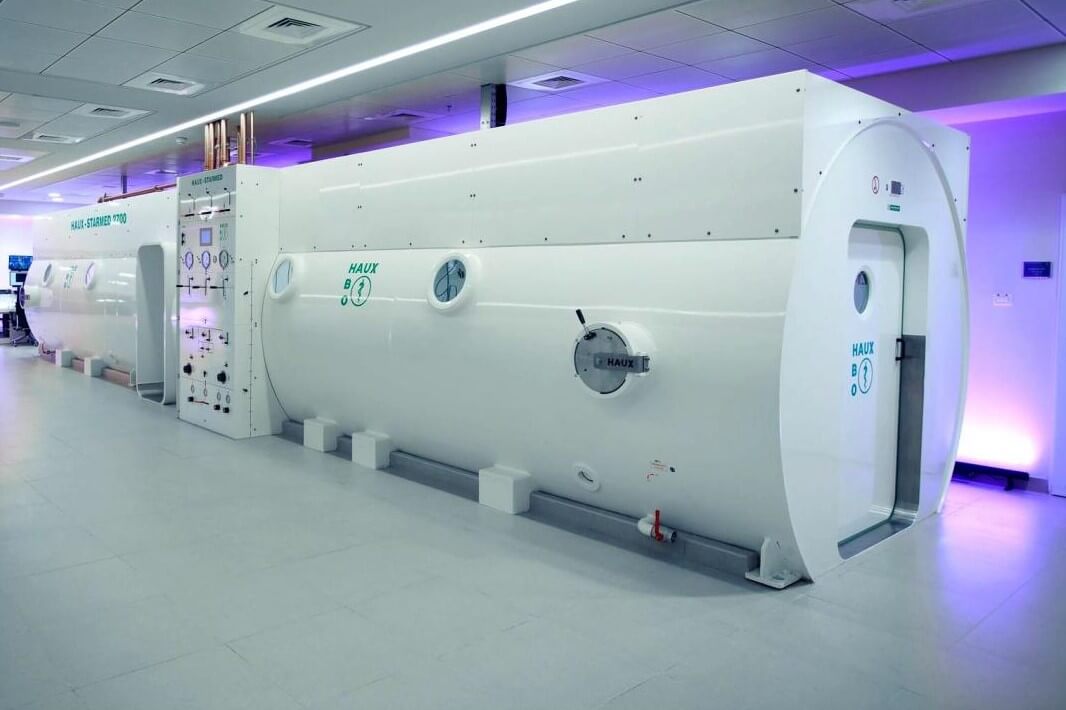
How does HBOT work?
Higher pressure helps the lungs take in more oxygen. A chamber may accommodate one person or several people. In a shared chamber, oxygen can be delivered through a mask or hood. The oxygen a person breathes and the gas used to pressurize the chamber are not necessarily the same.
What happens during treatment?
The clinical team assesses whether HBOT is suitable and explains preparation, supervision and follow-up. Sessions take place as part of a treatment plan. Their length and number depend on the reason for treatment. A schedule used in one research study is not a prescription for everyone.
How should you assess the evidence?
Ask whether the evidence concerns your condition and the treatment being offered. Look at who took part in the research, what was measured and whether there was a comparison group. A change measured in a study does not guarantee the same result for an individual.
Your clinician can explain how HBOT fits alongside your existing care, which uses are established and which are still being studied. Ask about alternatives and what would count as a worthwhile improvement in your case.
What risks and practical questions should you discuss?
Pressure changes can affect the ears and sinuses. Other risks include temporary vision changes and oxygen-related complications. Discuss your medical history and medicines with the treating team before deciding.
Oxygen increases fire risk. The FDA emphasizes trained staff, patient monitoring and following the manufacturer’s operating and maintenance instructions. Ask the provider how these requirements are met.
Considering a chamber?
Start with the intended setting and who will use it. Confirm capacity, room access, oxygen supply and installation requirements before comparing quotations. Ask what training, maintenance and service are included. Equipment ownership does not replace medical assessment or trained operation.

